
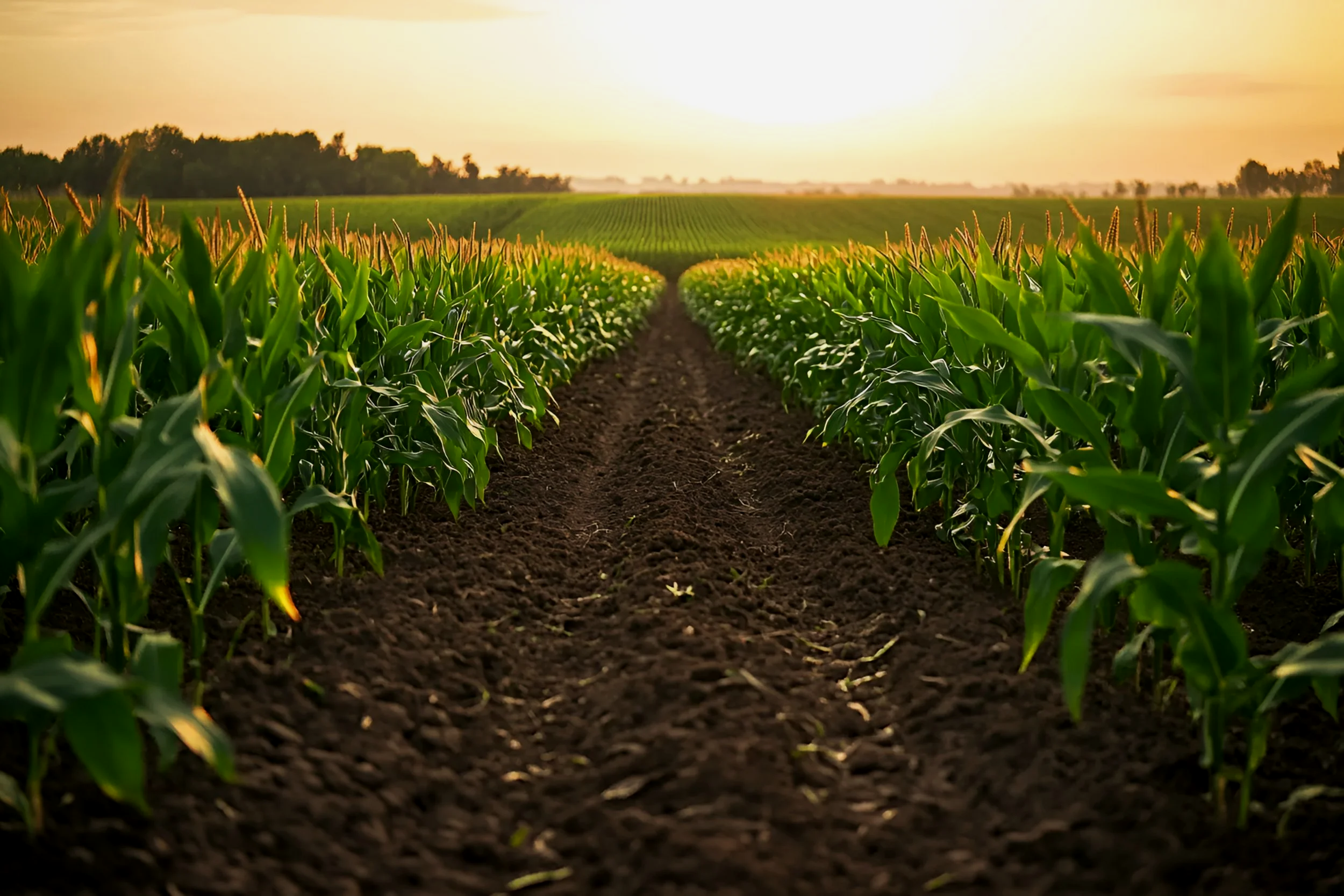
Continuous Cropping & Soil Health
Systematic Management of Continuous Cropping Obstacles
Continuous cropping obstacles result from multiple interacting factors.
Implementing microbial solutions throughout the cultivation cycle supports sustained disease prevention and contributes to long-term soil health improvement.
What Causes Continuous Cropping Obstacles
Nutrient Deficiency
Disruption of Soil Microbial Competitive Balance
Crop Autotoxicity
Restoring Rhizosphere Health
Suppress Continuous Cropping Constraints and Crop Diseases
Microbial inoculants effectively prevent and suppress diseases associated with continuous monocropping.
They also significantly inhibit crop disorders caused by abnormal temperature, nutrient deficiency, and reduced plant immunity.
After soil application, beneficial microorganisms establish dominant populations in the rhizosphere, improve the root micro-ecological environment, and block pathogen invasion.
Targeted microbial metabolites further inhibit the growth and reproduction of pathogenic fungi and nematodes.
Adequate Microbial Population Density
Sufficiently high population of beneficial microbes is necessary to establish competitive advantages in the rhizosphere, thereby suppressing the establishment and proliferation of soil-borne pathogens.
Soil Structure, Aeration, and Resilience
Improve Soil Nutrient Status
Microorganisms secrete extracellular polysaccharides that act as binding agents for soil aggregates, thereby strengthening soil structure, loosening compacted soil, and improving aeration, water retention, and nutrient-holding capacity. They increase soil organic matter, activate latent soil nutrients, and enhance overall nutrient availability.
Diverse Microbial Metabolites
Organic acids can stimulate root development and improve nutrient uptake efficiency.
Extracellular polysaccharides help enhance soil aggregate structure, alleviate soil compaction, and improve soil aeration and permeability.
Enzymes and antimicrobial peptides inhibit pathogen growth and contribute to disease suppression.
Soil Compaction
Process Pathway
Mechanism
Organic amendments

Microbial metabolites

Beneficial microorganisms

Outcome
Disordered field management, high labor input and low mechanization levels, accompanied by potential contamination risks including heavy metals, veterinary residues and pathogens
Contribute to soil loosening and the formation of soil aggregates
Enhanced microbial activity increases soil porosity and aeration
Improvement of root establishment capacity and soil structural resilience
Long-Term Soil Resilience
Improved Long-Term Soil Health
Soil organic matter
Latent nutrient activation
Nutrient availability
Overall soil health improvement
Stronger Disease and Physiological Resilience
Sustained disease prevention
Physiological resilience
Disease resilience under continuous cropping systems
Enhanced Soil Structural Stability
Soil structural resilience
Collaboration & Distribution Opportunities
Biotic Green works with agricultural producers, research institutions, and health-focused partners to develop and deploy microbial solutions across diverse markets.
We welcome strategic collaborations, distribution partnerships, and technology integration initiatives.