

Case Studies / Environmental Microbial Agents
Environmental Microbial Agents - Case Study 1
Odor Reduction in Pig Manure Slurry
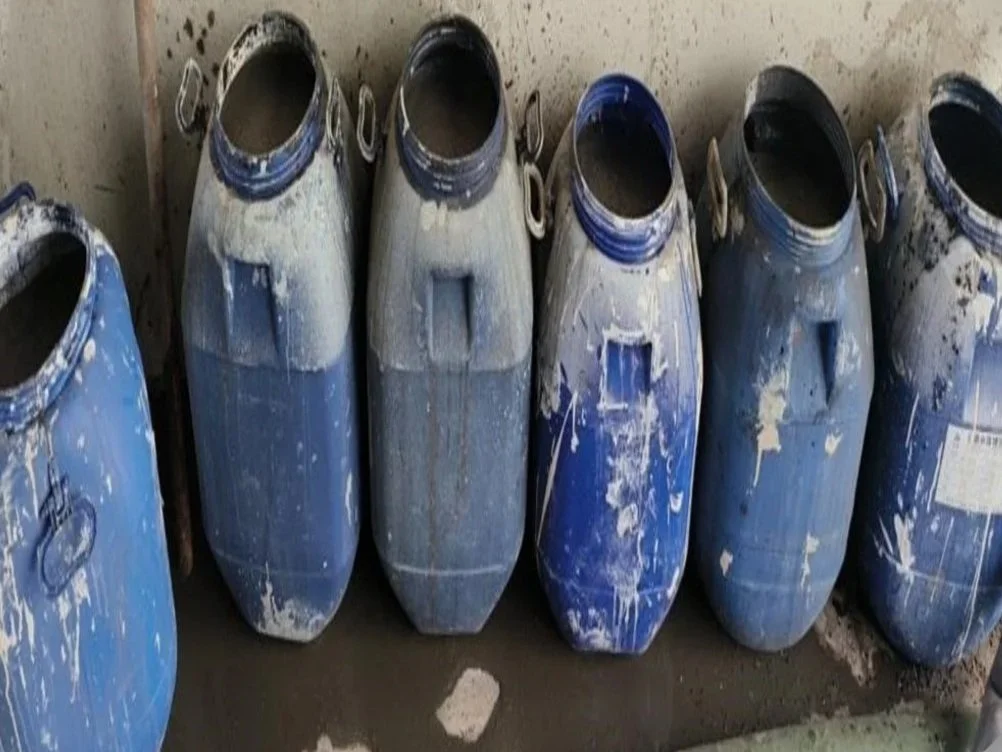
Pinghu, Zhejiang
On April 5 at 3:00 PM
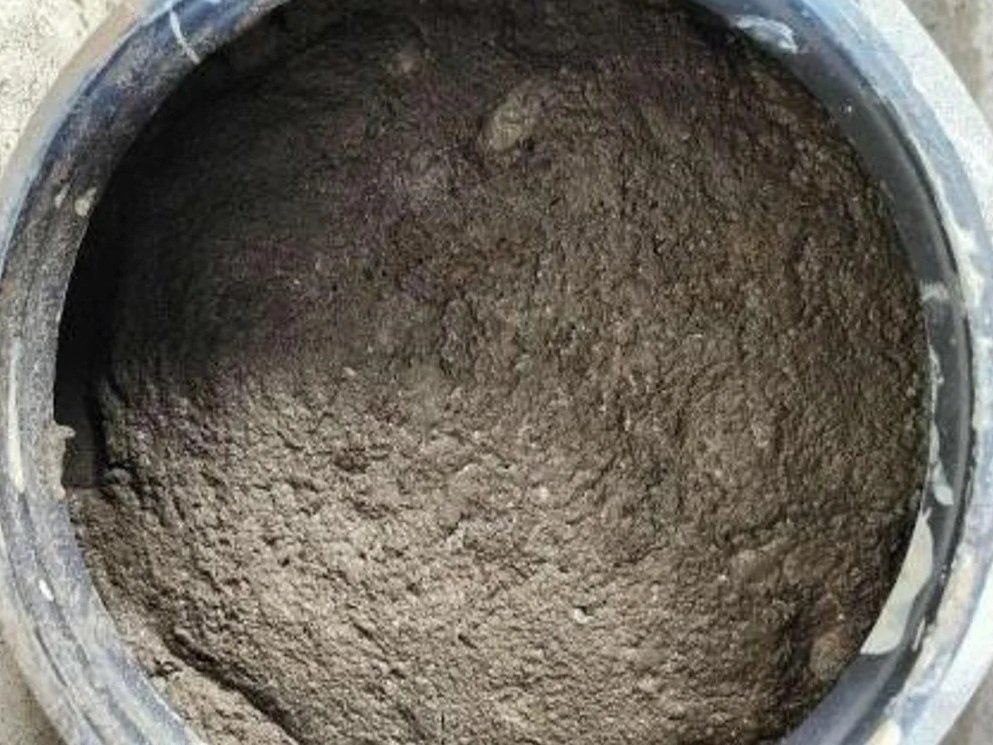
Multiple barrels of pig manure slurry were collected. Each barrel was treated with a microbial deodorizing formulation and stored in a covered storage facility for observation.
On April 8 at 3:00 PM
Follow-up assessment indicated that the odor intensity of the pig manure slurry had been significantly reduced, with offensive odors becoming barely perceptible.
Case Study 2
Odor Mitigation in Slaughterhouse Blood Wastewater
This case demonstrates the strong potential of microbial deodorization technology for the treatment of high-organic-load industrial wastewater, particularly in livestock processing environments.
Beijing
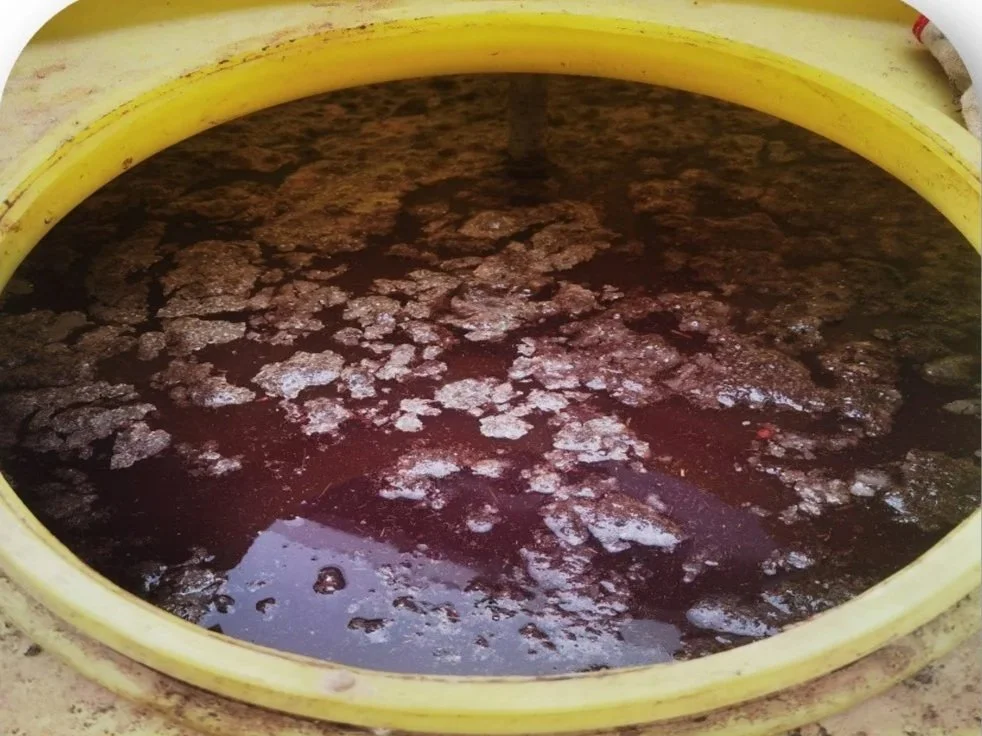
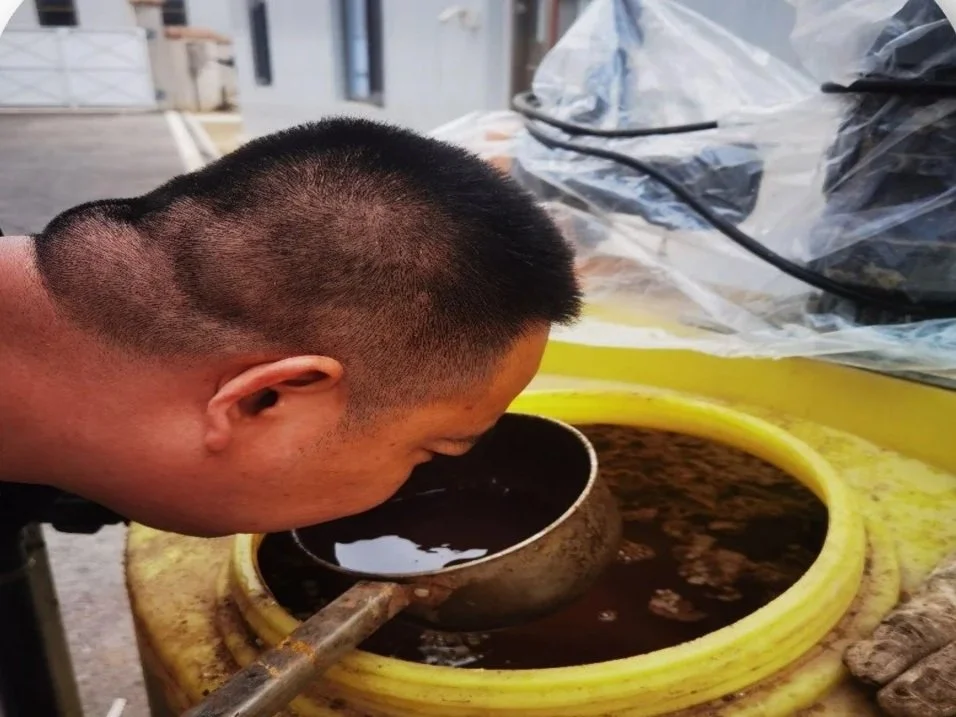
Fresh slaughterhouse blood wastewater was collected and treated with a microbial deodorizing formulation, then maintained under controlled elevated-temperature conditions for observation.
After approximately three days of treatment, on-site assessment confirmed that malodorous compounds were effectively eliminated, and no offensive odor was detectable.
Case Study 3
Kitchen Waste Odor Control
This case demonstrates the strong applicability of microbial deodorization technology in urban organic waste management and provides a green, sustainable solution for municipal sanitation systems.
Zhoukoudian, Beijing
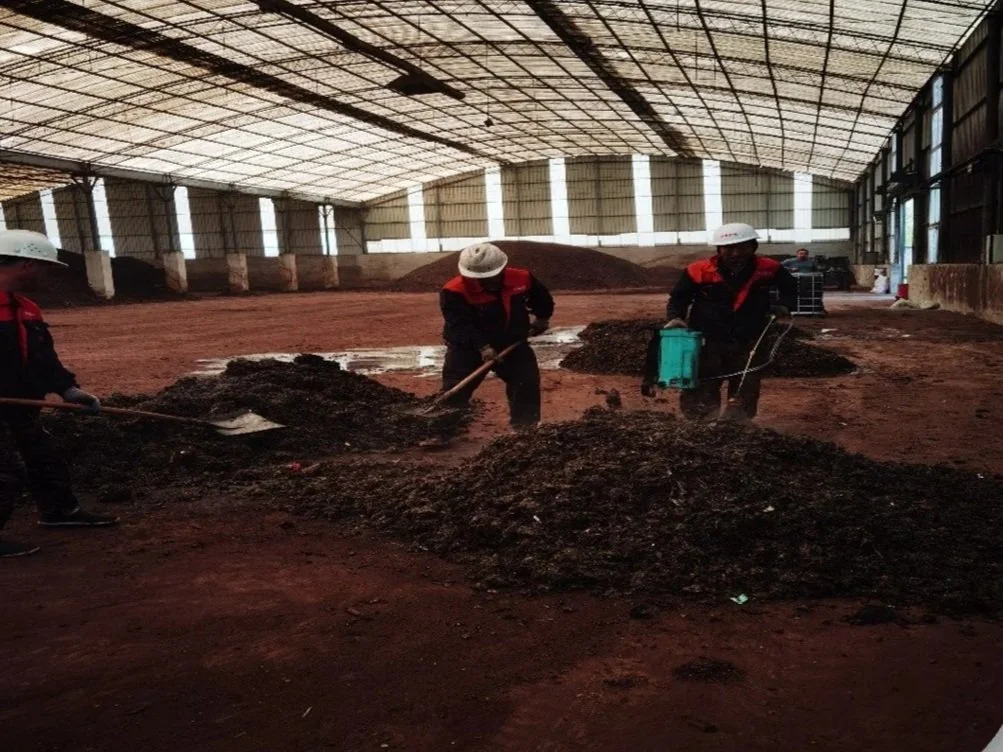
Microbial deodorizing agents were applied to highly odorous solid and liquid kitchen waste, followed by on-site effectiveness evaluation.
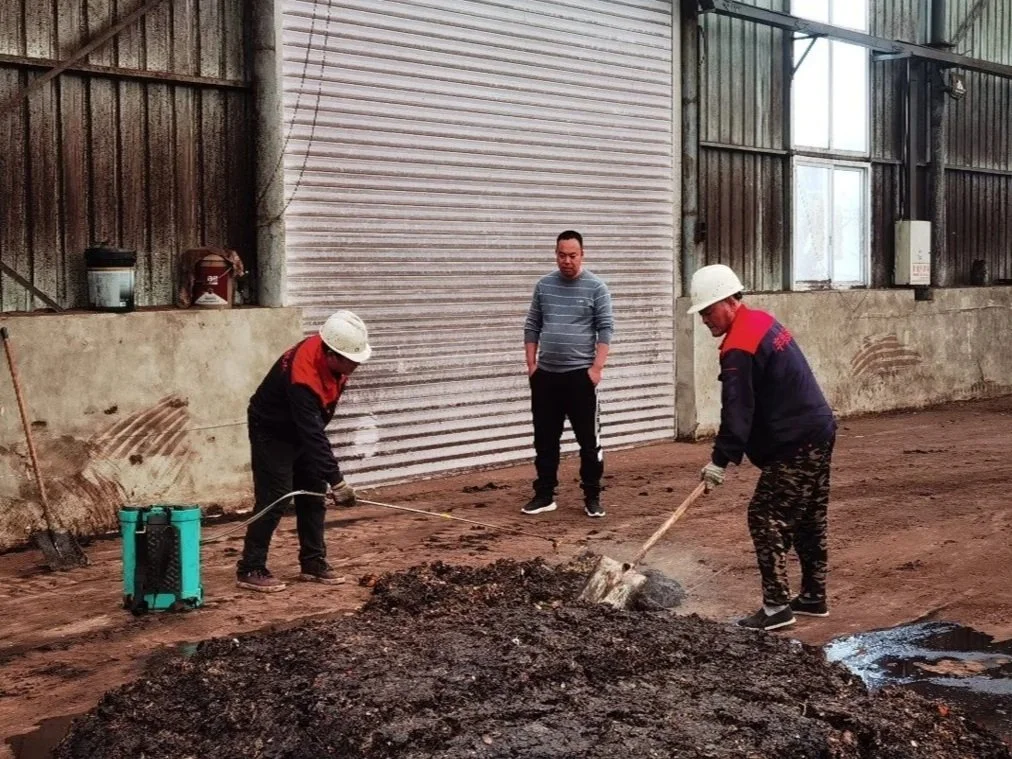
Within approximately 10 minutes after application
Field observations confirmed that offensive odors from both solid and liquid kitchen waste were rapidly eliminated, resulting in a significantly improved working environment.
Case Study 4
Pig manure and urine odor control
Xinjiang
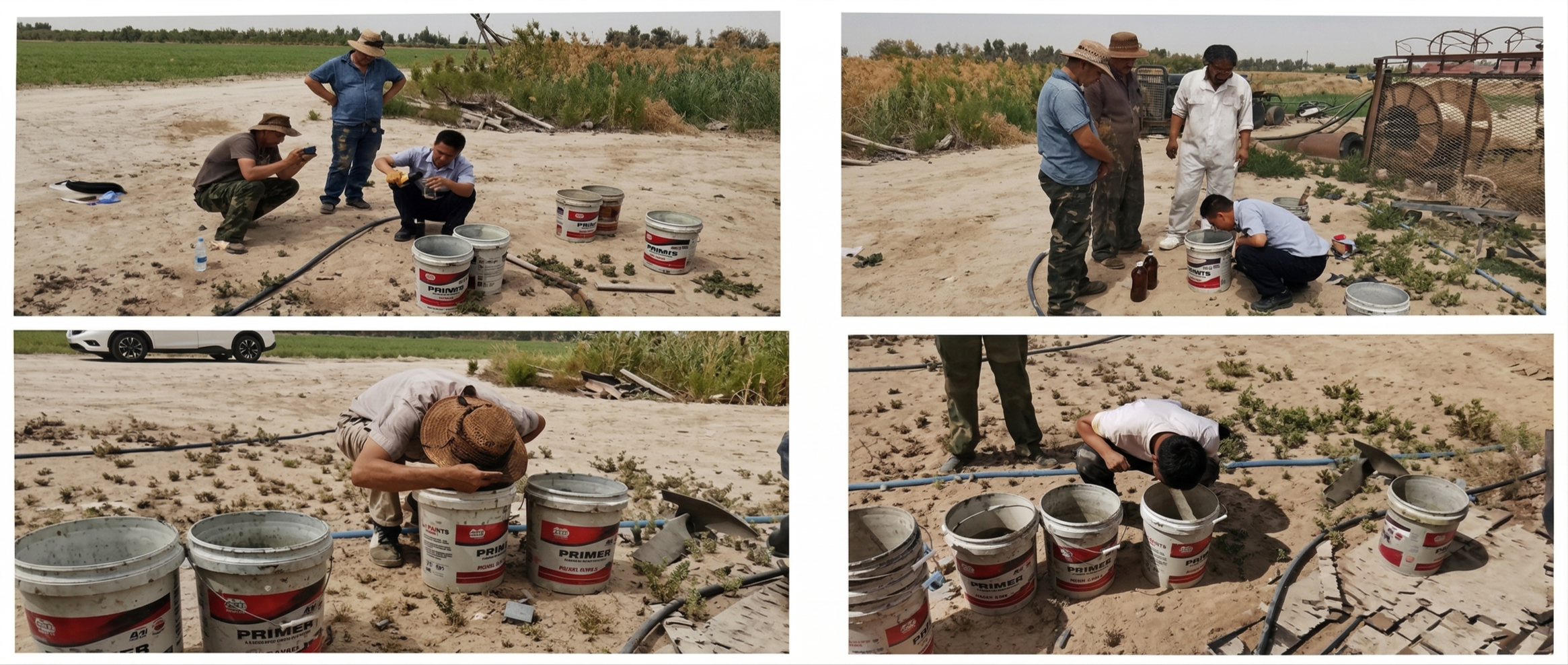
Approximately 10 minutes and remained undetectable for up to 48 hours
Under on-site operating conditions, the pig manure and urine mixture was treated with an environmentally friendly microbial deodorizing agent.
The unpleasant odor was substantially eliminated within approximately 10 minutes and remained undetectable for up to 48 hours, resulting in a significant improvement in the working environment and surrounding air quality.
Interested in collaboration or technology partnerships?
We welcome research collaborations and strategic partnerships that advance microbial innovation across industries.