
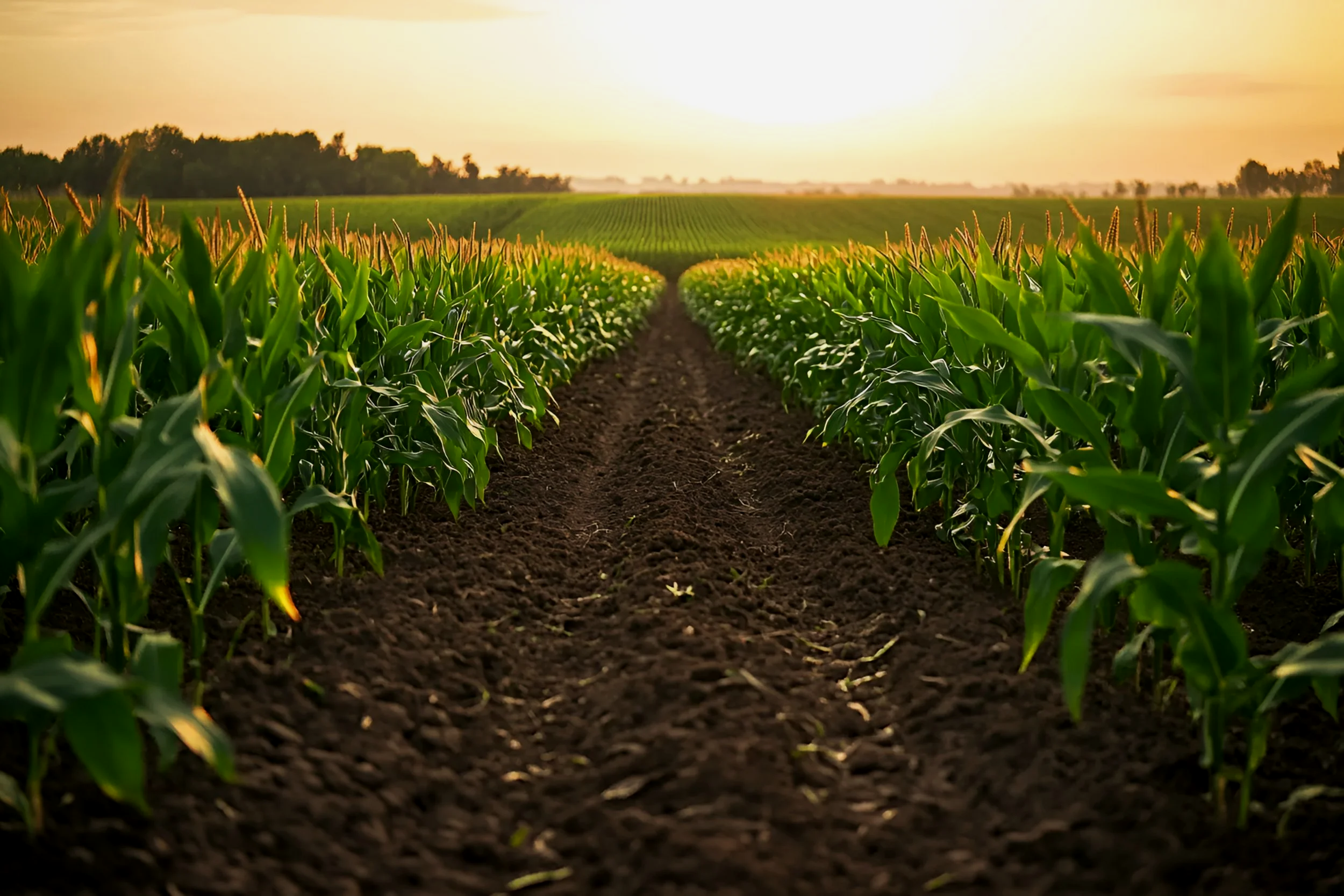
Crop Disease Prevention and Control
Current Situation
Current disease prevention systems rely heavily on agronomic practices and chemical interventions. However, traditional agronomic measures are constrained by multiple factors, resulting in high implementation costs and operational challenges.
Chemical Control Limitations
Chemical pesticides currently play a dominant role in disease control, which has led to widespread issues including pesticide residues, environmental contamination, the emergence of pathogen resistance, and declining crop quality.
Biological Control
Biological control offers a targeted and environmentally sustainable approach, representing a strategic pathway for improving disease prevention effectiveness.
Integrated Disease Management Concept
Pathogen control and physiological disease regulation are both critical.
In many production systems, improving plant physiological resilience is more effective than relying on pathogen suppression alone.
Representative Functional Strains
-
Inhibit root rot pathogens by occupying rhizosphere niches and limiting pathogen establishment.
-
Parasitize pathogenic hyphae, causing hyphal deformation, lysis, and reduced spore production.
-
Produce antimicrobial metabolites that suppress soil-borne pathogens.
Diverse Strain Composition
Effective microbial disease control requires a diversified consortium of beneficial microorganisms, typically including Bacillus species, Trichoderma fungi, and actinomycetes, to support complementary functions and system stability.
Adequate Microbial Population Density
A sufficiently high population of beneficial microbes is necessary to establish competitive advantages in the rhizosphere, thereby suppressing the establishment and proliferation of soil-borne pathogens.
Endospore-Forming Bacteria as a Key Component
Endospore-forming bacteria (e.g., Bacillus spp.) provide higher environmental tolerance and persistence, contributing to stable field performance under variable soil conditions.
Diverse Microbial Metabolites
Organic acids can stimulate root development and improve nutrient uptake efficiency. Extracellular polysaccharides help enhance soil aggregate structure, alleviate soil compaction, and improve soil aeration and permeability.
Enzymes and antimicrobial peptides inhibit pathogen growth and contribute to disease suppression.
Systematic Management of Continuous Cropping Obstacles
Continuous cropping obstacles result from multiple interacting factors. Implementing microbial solutions throughout the cultivation cycle supports sustained disease prevention and contributes to long-term soil health improvement.
Collaboration & Distribution Opportunities
Biotic Green works with agricultural producers, research institutions, and health-focused partners to develop and deploy microbial solutions across diverse markets.
We welcome strategic collaborations, distribution partnerships, and technology integration initiatives.