
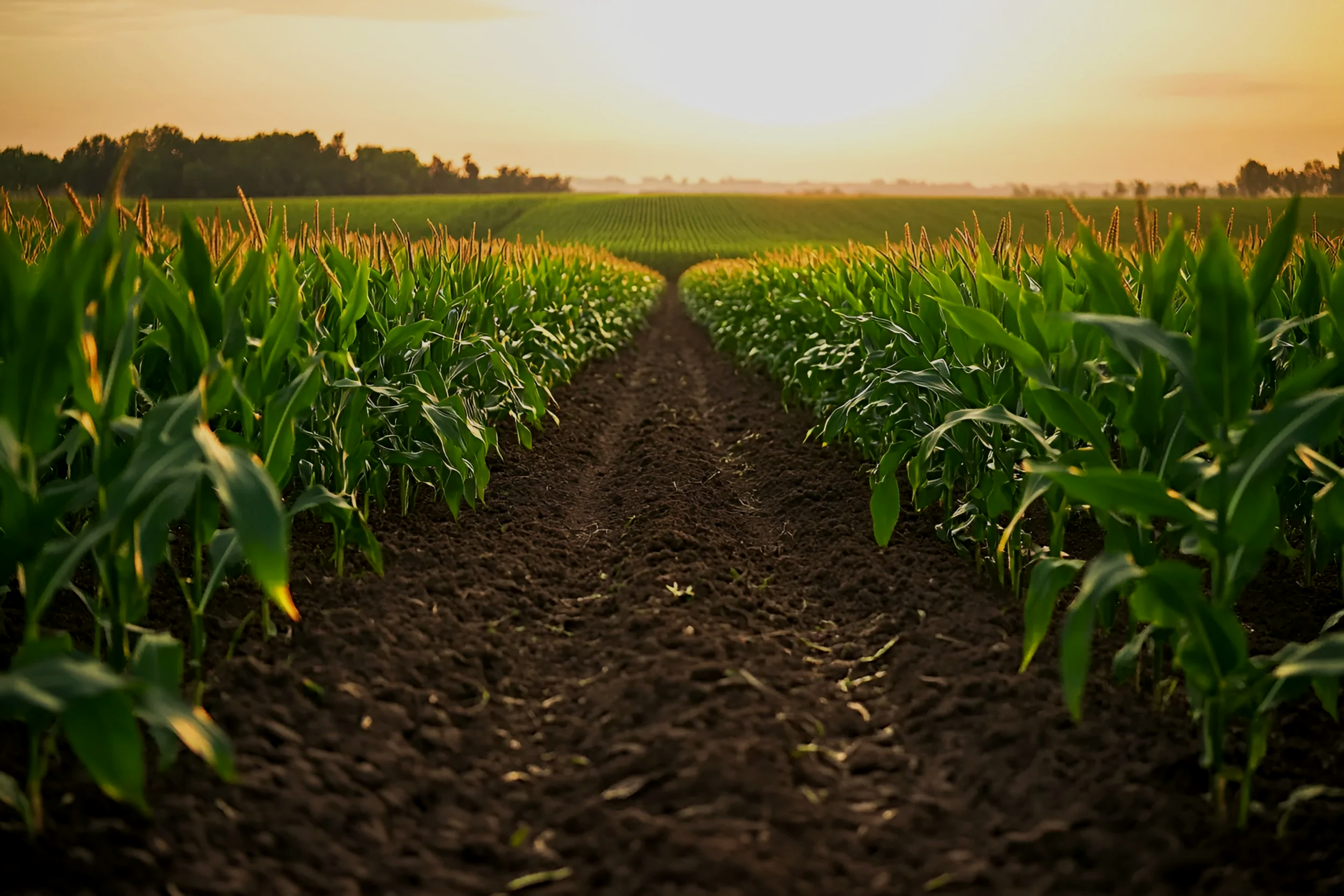
Rebuilding Soil Systems Through Microbial Intelligence
Key Challenges in Modern Agriculture
Salinization Compaction Residue Disease
Soil salinity and alkalinity limit crop development.
Soil compaction restricts root growth and nutrient uptake.
Pesticide residues increase production risk.
Continuous cropping diseases reduce yield stability.
Declining productivity creates growing uncertainty.
Root Causes of Soil and Crop Instability
Nutrient Imbalance
Uneven nutrient availability limits plant growth and reduces soil productivity.
Microbial Disruption
Loss of beneficial microbial diversity weakens soil ecosystems and reduces natural resistance.
Crop System Stress
Continuous cropping and accumulated stress disrupt plant–soil interactions.
Limits of Conventional Agricultural Inputs
Chemical Dependency
Chemical fertilizers and pesticides provide short-term results but degrade soil over time.
Declining Efficiency
Soil responsiveness decreases, requiring higher inputs for lower returns.
Ecological Disruption
Conventional practices damage microbial systems and reduce long-term stability.
These limitations point to the need for biologically based approaches.
Microbial-Based Solutions for Sustainable Agriculture
Soil Regeneration
Improves soil structure, nutrient availability, and root development through microbial activity.
Microbial Rebalancing
Rebuilds beneficial microbial communities and suppresses harmful organisms.
Functional Replacement
Supports nutrient cycling and plant protection through biological processes.
This shifts agriculture from input-heavy practices to system-based management.
Validated Microbial Performance
Microbial concentration exceeds conventional benchmarks by up to 3,000×, supporting stronger biological activity.
Strain Library
Selected microbial strains adapted for agricultural performance and environmental conditions.
Stabilization & Delivery
Carrier systems designed to maintain viability under field conditions.
Performance is validated across different crop and soil environments.
Application in Agricultural Systems
Improves soil condition, strengthens crop resilience, and supports stable productivity.
Restores soil structure and supports nutrient cycling through active microbial systems.
Explore how our solutions perform in real agricultural conditions.
View Case Studies →
Advancing the Next Phase of Microbial Innovation
As global systems evolve, we remain committed to advancing microbial technologies that address emerging agricultural, environmental, and biological challenges.
Interested in collaboration or technology partnerships?
We welcome research collaborations and strategic partnerships that advance microbial innovation across industries.